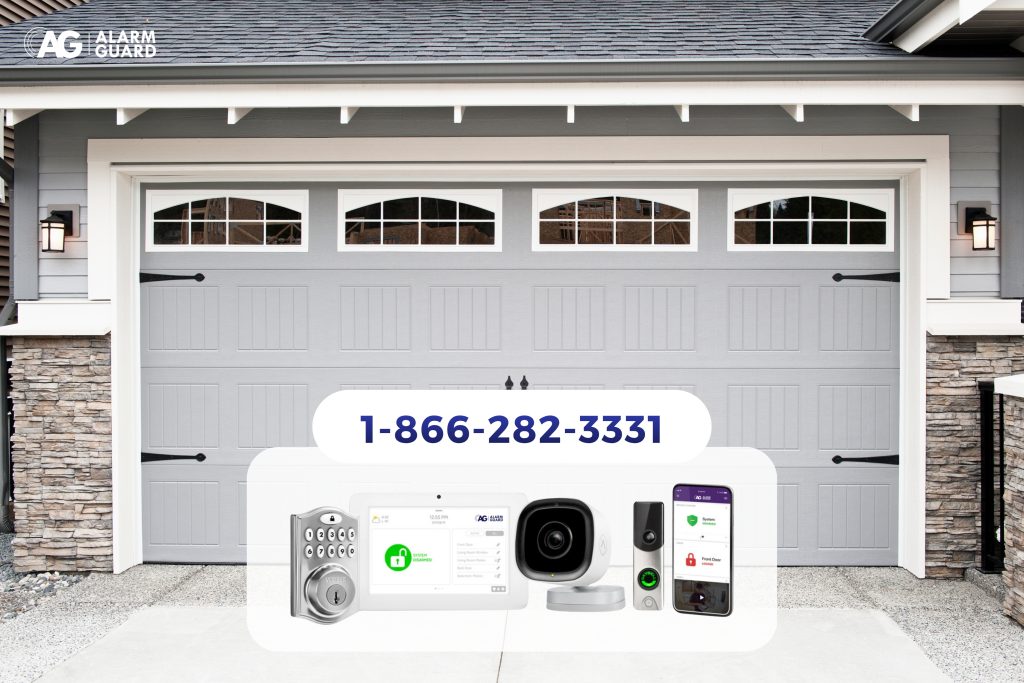

Protecting Your Garage: The Most Overlooked Entry Point in Canadian Homes
You locked the front door. You checked the back. You even rattled the patio handle twice just to be sure.
And then you left the garage unlocked.
It happens more than you’d think. The garage is the one part of the house that gets treated like it’s somehow not really an entry point, more of a storage unit with a really big door. But for anyone looking to get into your home without being noticed, it’s often the first place they look.
About 9% of home intruders gain access through the garage, and once they’re in, the door into your home is usually just a few steps away. No crowbar required. No broken windows. Just an overlooked door and a few seconds. Lemonade
The garage deserves the same attention you give the rest of your house. Here’s why, and what to do about it.
Why Burglars Love Garages
Think about it from the wrong side of the situation.
A garage is usually set back from the street, often blocked from neighbours’ view, and frequently left half-open while people grab the recycling bin or take the dog out. There’s even a well-known trick where the emergency release cord inside the garage door can be triggered from the outside using something as simple as a coat hanger. Once that’s done, the door rolls up like the homeowner just pulled into the driveway. Candmgaragedoorsinc
Then there’s what’s inside. Bikes. Power tools. Sports gear. Sometimes a second fridge stocked with drinks. And, of course, the interior door that connects straight into your home, often with nothing more than a basic privacy lock.
For a burglar, the garage isn’t just an entry point. It’s a discount aisle with a back door.
(Alarm Guard’s monitored systems include sensors for garage doors and interior connecting doors, so even if someone gets in through the garage, they don’t get any further. Just a thought.)
The Mistakes Most Homeowners Make
Most garage break-ins don’t happen because someone outsmarted the homeowner. They happen because the homeowner made it easy. Here are the most common ones.
Leaving the Garage Door Open
It’s the Canadian summer classic. You’re out front, gardening or chatting with a neighbour, and the garage stays wide open for an hour. Anyone walking by gets a full inventory of what’s inside, and a clear look at the door leading into your home.
Treating the Interior Door Like an Afterthought
The door from your garage into your house should be just as secure as your front door. FBI data shows that 55.7% of burglaries involve forcible entry, which means a flimsy interior door with a basic lock isn’t doing much. A solid-core door with a deadbolt is non-negotiable. SecurityMan
Storing the Opener in the Car
If your car is parked in the driveway with a garage remote clipped to the visor, you’ve essentially left a key to your house sitting in an easy-to-reach spot. Smash a window, grab the remote, and you’re in. Use a keychain remote you carry with you, or switch to a smart opener controlled from your phone.
Forgetting About the Side Door or Window
A lot of garages have a side door or small window that almost nobody thinks about. They tend to have weaker locks and less attention paid to them than the main garage door. Burglars know this.
What to Do About It
The good news is that securing your garage doesn’t require a renovation. A few practical changes go a long way.
Close It. Every Time.
Get in the habit of closing the garage door the moment you don’t need it open. Most modern openers can be set to auto-close after a few minutes, which is a small upgrade that solves the biggest problem on its own.
Reinforce the Interior Door
Solid core, deadbolt, proper strike plate. This door connects directly into your home. Treat it like your front door, because functionally, it is one.
Block the Emergency Release
There are simple zip-tie shields and dedicated garage door shields you can install that prevent the emergency release cord from being pulled from outside. It takes ten minutes and removes one of the most common garage break-in methods entirely.
Add Sensors and Cameras
A door sensor on the main garage door, a sensor on the interior connecting door, and a camera angled at the garage entry gives you complete visibility. If something opens when it shouldn’t, you know about it right away.
(Alarm Guard handles all of this in a single installation. Garage sensors, connecting door sensors, cameras, and monitoring, all set up to work together. No piecing it together yourself.)
Light It Up
A motion-activated floodlight on the garage side of your house is one of the cheapest and most effective deterrents you can install. Burglars rely on shadows. Take those away and most of them move on.
A Quick Note on Garage Door Codes
If you have a keypad on the outside of your garage, change the code occasionally, especially if you’ve shared it with contractors, house sitters, or anyone else who didn’t need long-term access. Nearly 30% of burglars enter through an unsecured entry point, and that includes the ones who already know your code because nobody thought to change it. Protechsecurity
Your Garage Is Part of Your Home. Secure It Like One.
The garage tends to get overlooked because it feels separate from the rest of the house. But for a burglar, it’s often the most attractive way in. Quiet, hidden, full of stuff worth taking, and connected to everything else.
A few habits, a few small upgrades, and a system that’s watching when you’re not. That’s all it takes.
And if you’d rather not piece it together yourself, Alarm Guard’s local team will walk through your home, figure out where the weak spots are, and set up a system built around your actual layout. No call centre three provinces away. No upsells you don’t need. Just a real conversation with someone who knows what they’re doing.
Ready to close the gap on the most overlooked part of your home? [Talk to Alarm Guard today.]