
Airbnb Security Tips for Canadian Hosts: How to Protect Your Property Between Guest Stays
You have cleaned the place, restocked the toiletries, and left a nice welcome note. But here is the part most Airbnb hosts in Canada are not thinking about: the window between one guest leaving and the next one arriving is when your property is most vulnerable.
Between turnovers, your property sits empty, keys may have been copied, codes may have been shared, and whatever the last guest left behind in terms of damage, unlocked doors, or general chaos is now your problem to deal with before the next booking. It is not a glamorous part of hosting. But getting it right is what separates hosts who scale their listings from hosts who burn out after one bad experience.
Here are the most important Airbnb security tips every host should follow between guest stays.
Smart Locks and Unique Access Codes Every Single Time
If you are still using a physical key system, this section is for you first. Traditional keys are a liability in short-term rentals. Guests can copy them. Cleaners can lend them. And once a key is out of your control, it is out of your control permanently.
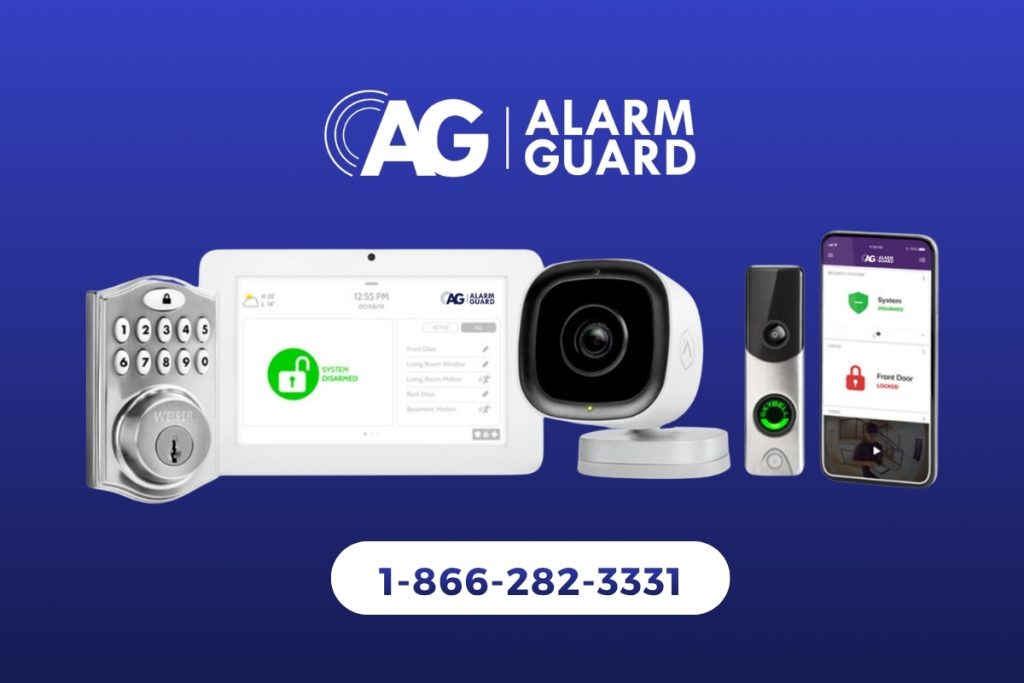
Smart locks solve this by letting you generate a unique access code for every guest and deactivate it the moment they check out. No chasing down keys, no awkward handoffs, and no wondering whether someone made a copy. If you are not already using a smart lock on your rental, it is one of the highest-return upgrades you can make as a host.
And if you already have smart locks, make sure you are actually generating fresh codes for every booking rather than reusing the same one. It takes thirty seconds and closes a gap that most hosts leave wide open.
Do a Security Walk-Through Between Guests
There is a difference between a cleaning visit and a security check, and most hosts blur the two together. Your cleaner is there to make the place look good. A security check is about making sure the property is actually intact and no vulnerabilities have been introduced during the stay.
Walk through every entry point. Check that all windows are closed and latched. Confirm that any exterior doors, including garage doors, side gates, or basement entrances, are properly locked. Look for anything a guest may have propped open, damaged, or left in a state that compromises the property. It sounds tedious, but it takes ten minutes and can prevent a situation that costs you a lot more than that to fix.
Know What Cameras You Can and Cannot Use
This is where a lot of Canadian hosts get it wrong, either by doing too little or by crossing a line they did not know existed.
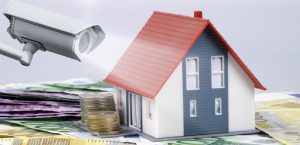
Airbnb is clear on this: cameras are only permitted in outdoor areas such as driveways or front yards, and indoor cameras are not allowed anywhere inside the property, even if they are turned off. You are also required to disclose the presence of all cameras in your listing, including their exact locations.
That means no cameras in living rooms, bedrooms, or bathrooms, and no exceptions. Hosts who install hidden cameras or undisclosed devices risk being removed from the platform entirely, and in some provinces, they may face legal consequences beyond that.
What you can do is use outdoor cameras at entry points to monitor who is coming and going between stays. A camera covering your front door and driveway gives you a clear record of when guests arrive, when they leave, and whether anyone else showed up during the booking that should not have. That footage matters if you ever need to file a claim or dispute a damage situation.
Hosts Need More Than Airbnb’s Coverage Alone (AirCover)
Airbnb’s AirCover for Hosts includes up to USD 3 million in damage protection and USD 1 million in liability insurance. That sounds reassuring, and it is a legitimate safety net. But coverage and prevention are two different things, and most hosts who have gone through an AirCover claim will tell you it is not as frictionless as the marketing suggests.
Professional monitoring fills the gap that coverage cannot. If there is a break-in at your property during a vacancy period, a monitored alarm system means someone is contacted immediately, not after you notice something is missing three days later. If there is a fire or a carbon monoxide issue, monitoring means emergency services are dispatched without waiting for a neighbour to notice something is wrong.
Airbnb requires hosts to equip their properties with a fire extinguisher and a working carbon monoxide detector if they have gas appliances. A monitored system goes further by ensuring those detectors are connected to a response team around the clock, not just sitting on a wall waiting for someone to be home to hear them.
Monitored Alarm Systems Protect Airbnb Properties
The best hosts treat the turnover period as seriously as the stay itself. It is not just about clean sheets and fresh towels. It is about walking back into a property that is exactly as it should be, secure, intact, and ready for the next guest without any surprises.
With a monitored system:
- Emergency responders can be dispatched quickly
- Break-ins can be addressed immediately
- Fire or carbon monoxide alerts are responded to in real time
- Properties remain protected during vacancy periods
This is especially important for:
- Remote Airbnb properties
- Cottage rentals
- Multi-property hosts
- Seasonal vacation homes in Canada
Alarm Guard offers professional installation and 24/7 monitored security for Canadian homeowners and investment properties. Whether your rental sits empty overnight or for a full week between bookings, a properly monitored system means you are never actually in the dark about what is happening at your property.
Protect Your Airbnb Property with Alarm Guard
Alarm Guard’s 24/7 monitored security system is built for Canadian homeowners, Airbnb hosts, and vacation rental properties.
Whether your short-term rental sits vacant overnight or between bookings for several days, monitored protection helps ensure your property stays secure around the clock.
Learn more about Airbnb security systems in Canada at Alarm Guard today. Call us at +1 866-282-3331 today!